
Resources
Articles
Guides and reference reading on South Dakota pheasant hunting — self-guided hunting, gun dogs, wild game recipes and getting the most from your trip. For current season updates, harvest reports and open-hunt announcements, see News & Events.
September 21, 2026
The Levels of South Dakota Pheasant Hunting Experiences
Things to consider when planning your pheasant hunting vacation. Originally written by Chris Hitzeman in 2008, updated 2026. This is the framework UGUIDE's own camp structure and availability schedule are built around. Prior to 2001, nearly all my pheasant hunting happened in Iowa or Minnesota — I'd never set foot in South Dakota. I assumed Iowa and South Dakota were comparable, but you can't really make that call until you've hunted both. South Dakota turned out to be in a league of its own, and there are more ways to experience a South Dakota pheasant hunt than most hunters realize. What follows is meant to help you tell those ways apart. Level 1 — Motels, Restaurants and Public Ground This is where most pheasant hunters get their start. I hunted this way in Iowa for 20 years: travel 4-5 hours one way, stay a night in a motel, eat in cafes and diners, hunt public land, road ditches and sloughs, and head home dead tired. Some great experiences can be had at this level, but it takes leg work, miles, and learning from trial and error. I recommend everyone spend time here — and for hunters constrained by group size or budget, it's still a great option. Level 2 — Private Land, No Fees This level and the next carry the most controversy around private-land access "drying up." Habitat is expensive, and there's no such thing as truly free land access — if a landowner creates habitat and charges nothing, that cost is coming straight out of his pocket, which isn't sustainable long-term. Where hunters are willing to build real relationships with landowners, good access can still be had here. Level 3 — Private Land, Trespass Fees This is paying a landowner who hasn't invested any special energy in habitat, but who controls land hunters want and charges a fee for access. You won't find these listed in the outdoor magazines — you'll find them through local word of mouth. Rates are typically the lowest you'll find, with no assurances about pressure or habitat quality. Level 4 — Private Land, Season-Long Lease Here the hunter controls the acreage exclusively for the whole season. The landowner deals with only one hunting party, lowering their management burden; the hunter gets affordable, exclusive access if the group can use the whole property and afford tying it up for a season. Habitat quality can run lower here, since the landowner has less incentive to reinvest in the land. Level 5 — Pheasant Hunting Preserves (Released Birds) Similar to a local game farm — pen-raised birds are released, though South Dakota preserves also produce genuine wild-bird harvests alongside them. Preserves run September through March with daily, multi-day and season-long license options, generally at lower cost and higher limits than a wild-bird hunt. Some preserves market themselves as "wild bird" operations — if you're traveling from out of state specifically for wild birds, know the difference before you book. Many preserves do offer excellent lodging, dining and all-inclusive service. Level 6 — Self-Guided Pheasant Hunting, Wild Birds (Fair Chase) This is what UGUIDE is built around. When I came to South Dakota, I wanted to own land so I could create and control above-average habitat for an above-average wild bird hunt — and to stay on the property I hunted instead of driving all over the state. With wild birds, you have to manage pressure: rest the ground more than you hunt it, and maintain a higher level of habitat to attract and hold birds. Not many operations are willing to manage to this level. UGUIDE has found a way to make that work for both landowners and hunters — landowners invest in habitat because they know hunters are there to help fund it, and hunters get a real wild-bird experience without owning the land themselves. Level 7 — Guided Pheasant Hunting, Wild Birds If you don't have a dog, or you're new to the sport, this is often the best option. A good guide and a top-quality dog can make or break a hunt. The challenge is finding one — the good operations tend to be booked a year or more out, and land costs push some guides toward preserves or combined groups to make the economics work. Do your homework. Level 8 — Guided Pheasant Hunting, the All-Inclusive Hunt Lodge The top end of the market — full-service operations built for hunters who want every detail handled, at a price to match. Whatever level fits your budget and time, it's out there waiting for you in South Dakota. I hope you find a new tradition pursuing the wily ringneck.
Read More »
September 21, 2026
Pheasant Hunting in South Dakota: Preserves vs. Native Wild Pheasant Hunts
An analysis of the differences between preserve and native wild pheasant hunting outfitters in South Dakota. Originally written by Chris Hitzeman in 2009, updated 2026 with current South Dakota GF&P regulations. Over the years, it's come to my attention that few people know or are aware of the differences between preserve and native wild pheasant hunting in South Dakota. Few hunters I know will travel 2,000 miles to hunt a released, pen-raised pheasant — but hunters without that requirement may find preserves attractive. Here's how the two actually compare. Aspect 1 — Hunting Seasons Preserve: The season on licensed shooting preserves runs September 1 through March 31 of the following year. Native Wild: The traditional South Dakota pheasant season runs from mid-to-late October through January 31. Aspect 2 — Hunting Licenses Preserve: Nonresidents need a Nonresident Shooting Preserve License — currently a one-day license, a five-day license, or an annual preserve license, with fees set by South Dakota GF&P and updated periodically. Native Wild: Nonresidents need a Nonresident Small Game License, which currently includes two 5-day hunting periods, plus a required habitat stamp. Aspect 3 — Hunting Limits Preserve: Preserve hunters may be in possession of up to 20 tagged pheasants while the preserve season overlaps the statewide season, dropping to 15 after the statewide season closes. Total harvest of released birds cannot exceed the number actually released. Shooting hours run sunrise to sunset. Native Wild: 3 birds per day, 15 in possession. Shooting hours run from 10am Central Time to sunset for the entire season. Aspect 4 — Hunting Acreage Size Preserve: Must be at least 160 acres and not exceed 2,560 acres. Native Wild: No restriction on acreage size. Aspect 5 — Where Do the Birds Come From? Preserve: A licensed preserve must release a minimum of 300 rooster pheasants the first year and 600 each year after. Released birds must be roosters, reach at least 15 weeks of age, and be marked before six weeks old. Preserves may release hens, but hens don't count toward the mandated release numbers. Native Wild: All birds are raised entirely by wild hens and roosters in the wild. Habitat — not release numbers — is what sustains this kind of operation, season after season. That last difference is really the whole story. A preserve operation is built around how many birds get released. A native wild operation, like every UGUIDE Pheasant Camp, is built around habitat quality — the land has to hold and produce wild birds on its own, year after year, or there's no hunt at all. Regulatory figures above reflect current South Dakota GF&P rules as of the 2026 season. Always confirm license fees and current regulations directly with South Dakota Game, Fish and Parks before you travel.
Read More »
September 21, 2026
Role Based Pheasant Hunting: Walkers, Blockers and Flankers Explained
When the birds are laughing at you — get your game on. Originally written by Chris Hitzeman in 2007, updated 2026. If you're like me, you've watched skittish pheasants evade your pursuit from way farther away than you'd like. After the cost of gas, license, shells, dogs, food, guns and gear, it's fair to want to see some birds actually go in the bag. It's worth arguing what fair chase is and isn't, but when it comes to crunch time, it's nice to have a plan — especially hunting South Dakota's native wild pheasants. South Dakota pheasants get hunted harder than any game bird in any other part of the country. A two-year-old rooster that survived last season is a genuine PhD bird. You need a plan. Enter role-based pheasant hunting. Wandering a sunny October field with your favorite dog ranks high on anyone's list of favorite things to do — but once you're dealing with hundreds of wild, wised-up birds, that walk in the park turns into a frustrating one fast. Split your group into three roles: Walker, Blocker or Flanker. Walkers are generally the hunters with the dogs, and anyone who enjoys walking cover. Blockers deliver the walkers and flankers to their positions, then head to the far end of the field to take up their posting spots — often the guys who can't walk like they used to, and the ones running the vehicles to keep everyone moving efficiently. Flankers tend to be the younger, more mobile hunters in the group. They cover the gaps between walkers and blockers, generally starting alongside the walkers, and need to be able to close a gap fast when birds start leaking out. Take a piece of cover about the size of a football field, but two to three times as long. With a group of 6, I'd suggest 2 walk, 2 flank, 2 block. With 10, add 2 more blockers and 2 more walkers — or, depending on how the birds are reacting, add flankers further outside the existing ones and a walker/blocker each. Walkers keep the birds moving toward the blockers, controlling their pace so they aren't walking over birds. Flankers stay positioned roughly 100 yards up and 100 yards out from the walkers on the outside edges of the cover. Blockers surround the end of the cover being hunted — with enough manpower, outside blockers can work like reverse flankers, positioned 100 yards or so out from the nearest end blocker. Once the hunt starts, everyone needs to understand their impact on the cover. Flankers adjust gaps to pin birds down so the walkers and dogs can work them up. Wild birds that feel surrounded will hold; birds that spot a gap will expose it and fly off unscathed. In groups of 4-12 you can decide which roles need staffing and adjust from there. Groups of 6-10 are the ideal size for most hunting situations in South Dakota — which is exactly the range UGUIDE builds its camp minimums and group pricing around.
Read More »
September 21, 2026
Self-Guided South Dakota Pheasant Hunting: The Do-It-Yourselfer's Guide to Fair Chase
How do you spell self-guided pheasant hunting? Just show me where the birds are and leave me alone. Originally written by Chris Hitzeman in 2007, updated 2026. Actually, how hunters define self-guided pheasant hunting varies quite a bit. Over the years I've had the chance to talk with many hunters shopping for pheasant hunting vacations. A lot of them lead with the same line: "Well, we don't want a guide, you know" — and I simply point to the name of my business. UGUIDE was built for exactly that reason: self-guided hunting experiences. Most guys who call me are really looking for self-guided wild pheasant hunting. Most of us grew up hunting by staying in motels, working public ground and road ditches, with the occasional foray onto private ground whenever the opportunity — and permission — presented itself. With that style of hunting, three things happen: you fill your gas tank a lot, you put a lot of miles on your vehicle, and success can be hit-or-miss. I hunted that way by myself for many seasons and enjoyed it immensely. Self-guided pheasant hunting in South Dakota is a different story. Get into a cornfield or CRP with several hundred birds in it late season and you can have your day handed to you real quick. The more birds, the more eyeballs — with the numbers South Dakota holds, danger gets spotted by the flock hundreds of yards away, and birds would rather run than fly. If you've done the hotel/motel/public-land routine for enough years and want a more controlled, private, exclusive experience, your best option might be what I did: look into private land ownership. If you're not in a position to take down a piece of land yourself, your most cost-effective option is exploring a private, managed camp — one where the habitat work and bird management are already done for you. My own experience with self-guided wild bird pheasant hunting in South Dakota is the reason UGUIDE Pheasant exists. I wanted an authentic, real, wild pheasant experience on above-average habitat, in a controlled private and exclusive setting. That's what's built into every UGUIDE Pheasant Camp across South and North Dakota. UGUIDE packages high-quality self-guided land and lodging experiences on privately owned land — not leases. Hunters booking with UGUIDE deal directly with the landowner who owns and farms the operation and manages it for pheasants. The owners show hunters where to go and where to stay, and stay out of the way unless help or questions come up. If you've got a bird dog and know how to hunt pheasants, get a group together and head to South Dakota for the best self-guided wild bird pheasant hunting in the nation.
Read More »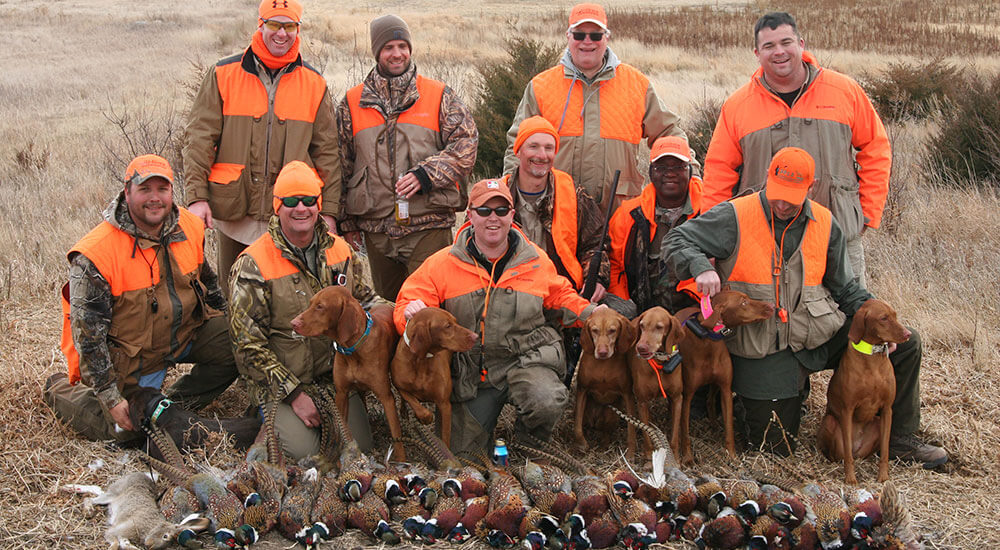
September 21, 2026
South Dakota Pheasant Hunting: Why It's Called the Pheasant Capital of the World
Never been South Dakota pheasant hunting? You might not know what you're missing. Originally written by Chris Hitzeman in 2007, updated 2026. That was the case with me. Having hunted only in Minnesota and Iowa from 1979-1999, I enjoyed the pheasant hunting that land afforded me and my hunting partners for years. Being passionate about habitat and wanting to really affect my hunting outcomes and experiences, I began looking for pheasant hunting land to purchase, develop and enjoy. I started in Iowa and, through several contacts, came across a realtor who had land for sale in Iowa but also South Dakota. I had never hunted pheasants in South Dakota and always assumed it was about as good as Iowa (which was way better than Minnesota at the time). After some discussion and persuasion by the realtor, I figured I'd have to be stupid not to go out and at least look at the property. Just driving out there in the springtime, I could tell by how many birds were hanging around the roads that the numbers were good. Long story short, I ended up buying the acreage and hunting/developing the property for pheasants, deer and turkey since 1999. Every opening weekend we harvest between 30-60 birds per day. I've also heard stories from around the state of parties of 20 hunters getting their limit in as little as half an hour. That's more chaos than hunting, I'd venture — but that's what South Dakota wild pheasant hunting is capable of producing. Pheasant Capital of the World? I think most hunters would agree. Read most pheasant hunting outlooks and forecasts, and the statistics keep pointing to South Dakota's bird and harvest numbers as the reigning leader in the country. In addition to the native resource, South Dakota also leads in public hunting access, free walk-in access to private land, and a wide range of commercial fee-hunting opportunities. South Dakota's commercial pheasant hunting is established enough that Cabela's in Mitchell draws hunters from all 50 states on the state's annual pheasant opener weekend. Today the passionate upland bird hunter has excellent access to whatever quality pheasant hunting package they desire. If it's the pheasant hunting trip of a lifetime you're after, look no further than South Dakota — whether you're a budget-minded do-it-yourselfer looking for the best public land hunt, or looking for a true private-land, all-inclusive experience. It's worth doing a little research; that time is well spent. Whatever you do, get to South Dakota and experience the State of Pheasant Hunting.
Read More »